

250 Years Strong: What America’s Financial Journey Can Teach Us About Our Own
In 2026, the United States celebrates a big milestone: 250 years since the signing of the Declaration of Independence!
That’s 250 years of growth, setbacks, reinvention and yes, a lot of financial lessons along the way.
Because while history classes focus on wars and presidents, there’s another story quietly unfolding in the background: how money has shaped this country—and how the country has shaped our relationship with money.
Let’s take a closer look.
From Bartering to Building a Financial System
In the early days, there was no “financial system” as we know it today. Colonists traded goods, used foreign coins, and even relied on bartering.
Then came the American Revolutionary War—and with it, one of the first big financial lessons: Printing money without a solid foundation doesn’t end well.
The Continental Congress issued paper currency to fund the war… and it quickly lost value.
The lesson learned? A strong financial plan needs a solid foundation—not just quick fixes.
Booms, Busts, and the Birth of Resilience
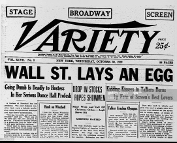
Over 250 years, America has seen its share of financial highs and lows—from the Great Depression to the 2008 financial crisis.
Each time, the country adapted, rebuilt, and moved forward.
Not perfectly. Not quickly. But consistently.
Lesson: Markets will change. Your plan shouldn’t panic every time they do.
This is where diversification, long-term thinking, and steady guidance matter most.
The Rise of the American Dream (and the Reality Behind It)
At some point, we were all handed a version of the “American Dream”:
- Buy a home
- Build a career
- Save for retirement
- Ride off into the sunset
And for many, that worked… for a while.
But today? It’s more complex.
Longer lifespans, rising costs, shifting careers—it’s not a straight line anymore.
Lesson: There’s no one-size-fits-all financial path anymore. Your plan should reflect your life, not someone else’s checklist.

From Pensions to Personal Responsibility
One of the biggest financial shifts over the last few decades?
We moved from employer-funded pensions to individual responsibility—think 401(k)s, IRAs, and personal investing.
Translation: You are now the CFO of your own life.
Exciting? Yes. Overwhelming? Also yes.
Lesson: Having a strategy matters more than ever. Guessing is not a plan.

What $1 Used to Buy (A Quick Reality Check on Inflation)
Let’s talk about something we all feel… even if we don’t always track it: inflation.
Over the last 250 years, the value of money has changed—a lot.
A few examples that tend to stop people in their tracks:
- A movie ticket in the 1950s: about $0.50
- A gallon of gas in the 1970s: around $0.36
- A new home in 1960: roughly $12,000
Today… well, you’ve been to the grocery store lately.
Lesson: It’s not just about saving money—it’s about making sure your money keeps up with the world around you.
This is why long-term investing matters. Sitting still financially often means falling behind quietly over time.

Women and Money—A Quiet but Powerful Evolution
Here’s a part of the financial story that doesn’t always get enough attention…
Women weren’t always at the center of financial decision-making.
In fact, it wasn’t until the 1970s that women could open a credit card in their own name without a male co-signer.
Let that sink in for a second.
Fast forward to today:
- Women are increasingly primary earners
- Women are inheriting significant wealth
- Women are leading financial conversations in their households
Lesson: Financial empowerment isn’t just about numbers—it’s about confidence, education, and having a seat at the table.
And honestly? There’s still work to do. But the progress over the last 250 years is pretty incredible.

Social Security—A Safety Net That Changed Retirement
Before the Social Security Act, retirement looked very different.
Many people simply… worked as long as they could.
Social Security created a baseline—a financial safety net for retirees.
But here’s the important part:
It was never meant to do all the heavy lifting.
Lesson: Social Security is a piece of the puzzle—not the whole plan.
Which is why thoughtful planning around when to take benefits, how it fits with other income, and how long your money needs to last matters more than ever.

What 250 Years Can Teach Us About Your Financial Future
If we zoom out, America’s financial story isn’t about perfection—it’s about progress.
It’s about:
- Adapting when things change
- Learning from mistakes
- Building something that lasts
Sound familiar?
That’s exactly what financial planning is.
Not predicting the future. Not timing every move perfectly.
But creating a plan that can weather change—and still move you toward what matters most.
Looking Ahead: Your Next Chapter
As we celebrate 250 years as a country, it’s a great time to reflect on your own journey.
Where have you been? What have you built? And most importantly—where do you want to go next?
Because the next chapter doesn’t write itself. It’s planned.
America didn’t get to 250 years by accident. And your financial future won’t either.
If you’re within 5–10 years of retirement—or just starting to think more seriously about what comes next—this is the time to get intentional.
If this got you thinking, we’ve built out a library of resources to help you take the next step.
Explore more at www.pursuitwp.com Or schedule a quick conversation—we’re always happy to help you think things through.
Dream. Plan. Achieve.
